
Peru inca civilization – Culture, power, and enduring legacy
O Peru Inca civilization was one of the most sophisticated and powerful societies in the ancient world. Long before European contact, the Incas built an empire defined by advanced engineering, complex social organization, and a deep spiritual connection to nature. Today, their legacy continues to shape Peru’s cultural identity and attracts travelers from the United States eager to explore legendary sites like Machu Picchu through immersive Inca tours.
Understanding the Inca civilization is essential for anyone seeking a meaningful and enriching travel experience in Peru.
The rise of the inca civilization in Peru
O Peru Inca civilization emerged in the Andean region around Cusco during the 13th century. From a small highland kingdom, the Incas expanded rapidly by uniting neighboring cultures through diplomacy, conquest, and strategic alliances.
Cusco became the capital of the empire and the symbolic center of Inca power. Its layout was designed to represent a sacred puma, reflecting the Incas’ belief that urban planning should mirror spiritual concepts.
Government and organization of the inca empire
One of the most impressive aspects of the Peru Inca civilization was its highly efficient system of governance. The emperor, known as the Sapa Inca, ruled with absolute authority but relied on a structured administration to manage vast territories.
Key features of Inca governance included:
-
Regional governors
-
Census and record-keeping using quipus
-
Organized labor systems (mit’a)
-
Redistribution of food and goods
This organization allowed the empire to function without a written language or currency.
Daily life in the inca civilization
Life in the Peru Inca civilization revolved around agriculture, family, and community. Farmers cultivated crops such as potatoes, corn, and quinoa using terrace farming that prevented erosion and maximized yields.
Daily activities included:
-
Farming and herding llamas and alpacas
-
Weaving textiles of symbolic importance
-
Participating in religious festivals
-
Community work projects
Many of these traditions still exist in modern Andean communities.
Inca religion and worldview
Spiritual beliefs were central to the Peru Inca civilization. The Incas believed the natural world was alive with spiritual energy. Mountains (apus), rivers, and the sun were considered sacred beings.
Important religious elements included:
-
Worship of Inti, the sun god
-
Seasonal ceremonies aligned with astronomy
-
Sacred temples like Qorikancha
-
Offerings to Pachamama (Mother Earth)
These beliefs influenced everything from architecture to agriculture.
Engineering and architectural genius
The architectural achievements of the Peru Inca civilization continue to amaze modern engineers. Inca structures were built without mortar, yet remain intact after centuries of earthquakes.
Notable innovations:
-
Perfectly cut stone blocks
-
Advanced drainage systems
-
Seismic-resistant walls
-
Roads spanning thousands of miles
These techniques are best observed at Machu Picchu and other major Inca sites across Peru.
Machu picchu – The crown jewel of inca civilization
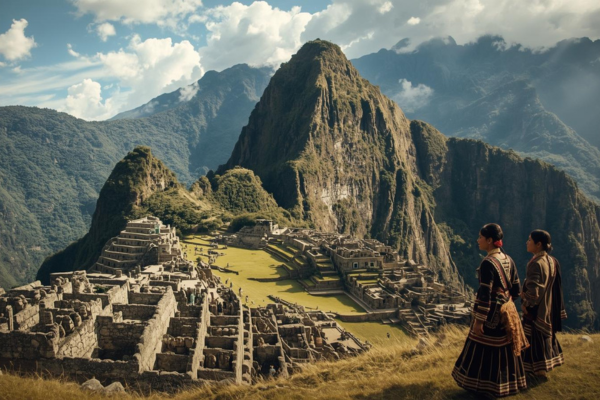
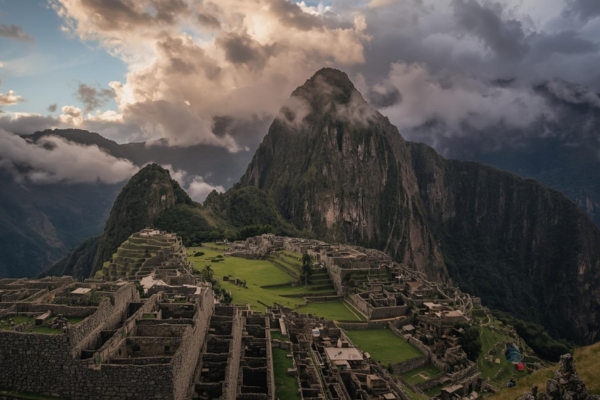
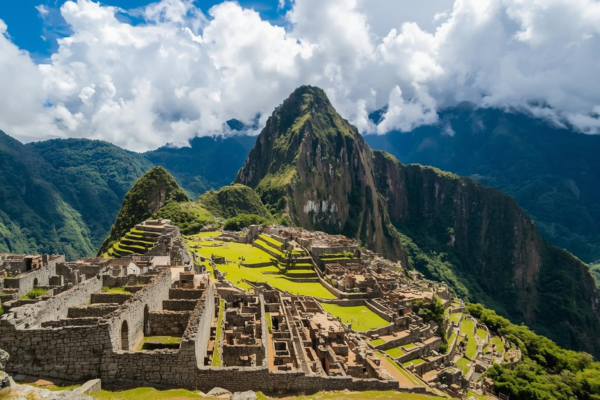
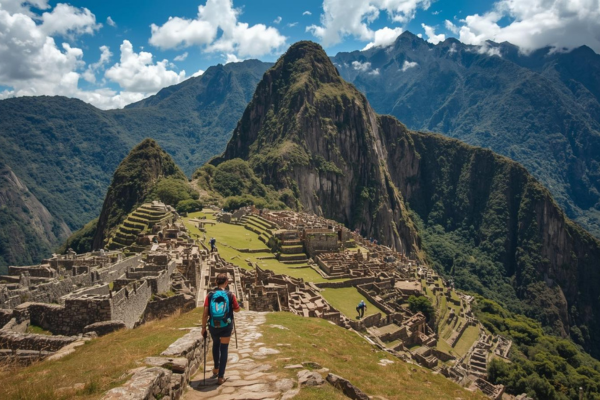
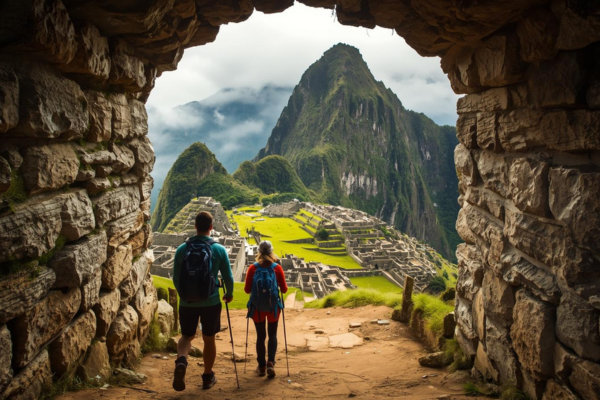
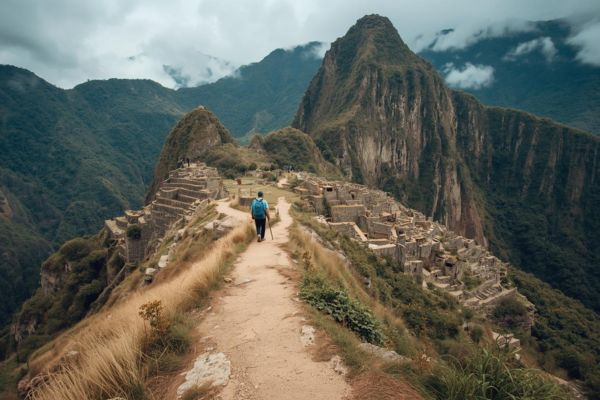
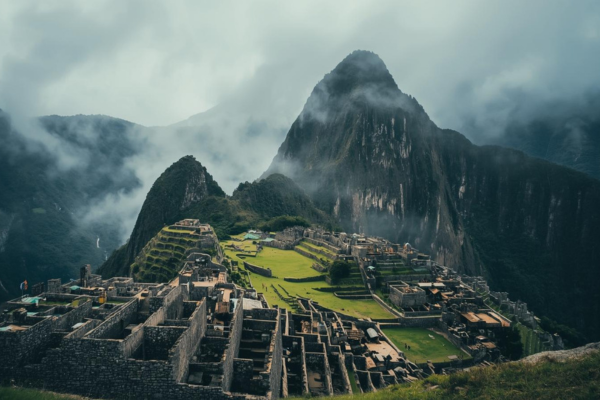
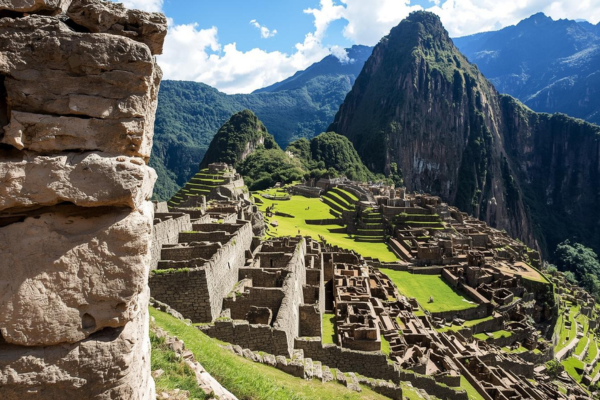
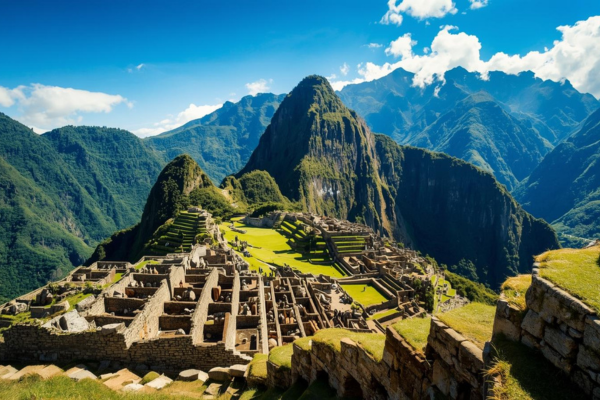
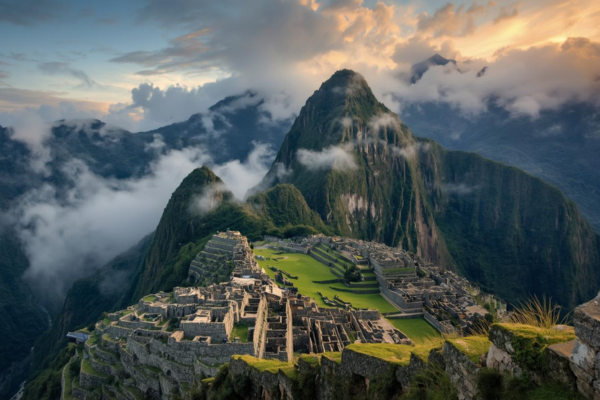
Machu Picchu stands as the most iconic symbol of the Peru Inca civilization. Built in the 15th century, this sacred city is perched high above the Urubamba Valley and showcases the Incas’ mastery of engineering and landscape integration.
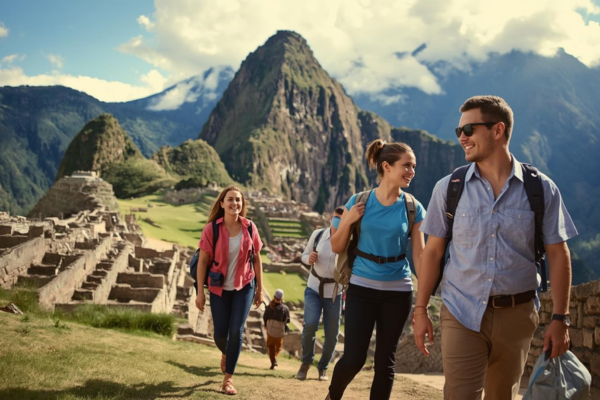
Visiting Machu Picchu with experienced guides through curated Inca tours allows travelers to understand its religious, political, and astronomical significance.
The inca road system and sacred trails
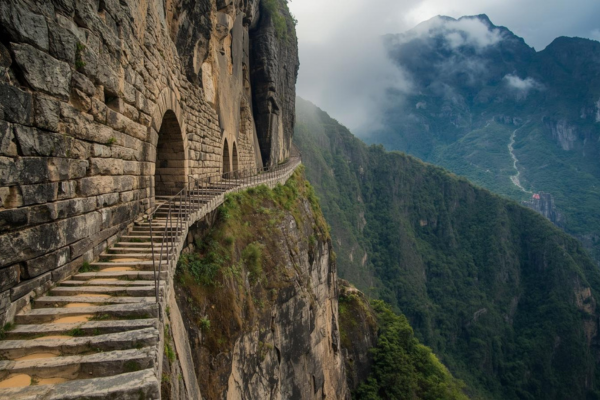
The Incas constructed an extensive road network known as the Qhapaq Ñan, connecting the empire from north to south. These roads were used for communication, trade, and religious pilgrimages.
Today, parts of this network form famous trekking routes, including the Inca Trail to Machu Picchu, one of the most popular Inca tours in Peru.
The decline of the inca civilization
The fall of the Peru Inca civilization occurred in the 16th century following Spanish conquest. European diseases, internal conflicts, and superior weaponry led to the collapse of centralized rule.
Despite this, Inca culture survived through traditions, language, and architecture that remain deeply embedded in Peruvian society.
Experiencing the Peru inca civilization today
Modern travelers can explore the legacy of the Incas through carefully designed Inca tours that combine history, adventure, and cultural immersion.
Popular experiences include:
-
Guided visits to Cusco and Sacred Valley ruins
-
Treks along ancient Inca paths
-
Cultural encounters with Andean communities
-
Exploration of Machu Picchu with expert guides
These journeys offer a powerful connection to one of the world’s greatest civilizations.
Why the Peru inca civilization still captivates the world
The achievements of the Peru Inca civilization reflect harmony between humans and nature, advanced knowledge without modern tools, and a spiritual worldview that continues to inspire travelers.
Exploring this ancient culture transforms a simple vacation into a profound life experience.
Are you ready to discover the greatness of the Peru Inca civilization firsthand?
✨ Book your Peru travel package today and explore Cusco, Machu Picchu, and expertly guided Inca tours created for travelers from the United States.
👉 Start your journey to ancient Peru now and turn history into an unforgettable adventure.
 Portuguese
  English
  Spanish